
Hair and Skincare: Definitive Solutions for Lifelong Wellness
December 17, 2025 2025-12-17 14:47Hair and Skincare: Definitive Solutions for Lifelong Wellness
The Definitive Guide to Advanced Hair and Skincare Solutions: Mechanisms, Formulations, and Optimized Routines for Lifelong Wellness
I. Strategic Introduction: The Intersection of Dermal and Follicular Health
A. Defining the Integrated Discipline of Advanced Hair and Skincare
The modern paradigm of cosmeceutical application dictates a unified approach to dermal and follicular structures. The scalp, biologically continuous with facial skin, demands a level of scientific rigor and evidence-based treatment traditionally reserved for the face. Optimal Hair and Skincare acknowledges that the health of the skin barrier, characterized by cellular turnover and defense against oxidative stress, is inextricably linked to follicular vitality, which encompasses hair growth cycles, microcirculation, and microbial balance.
This comprehensive report transcends rudimentary product descriptions, providing an authoritative analysis of the underlying physiological mechanisms, clinical evidence, and formulation complexities that define effective therapeutic solutions. We analyze six distinct categories of advanced products, moving through the foundational elements of skin health Repair, Renewal, and Protection before addressing specialized follicular care, including Stimulation, Biomechanical Support, and Etiology-Specific Treatment. The overarching goal is to empower both the professional and the educated consumer with the scientific knowledge necessary to select products that maintain cellular homeostasis and provide robust protection for overall Hair and Skincare wellness.
B. Expert-Level Analysis of the Report Scope
A thorough understanding of the mechanisms driving efficacious Hair and Skincare solutions is essential for product development and user compliance. The analysis begins with the three pillars of maintaining cutaneous integrity: advanced moisturization techniques that utilize lipid engineering, anti-aging solutions built upon powerful cellular signaling agents, and the mandatory inclusion of broad-spectrum sun protection. Following this, the focus shifts to dedicated follicular strategies, evaluating the efficacy of multi-target hair growth serums, the biomechanical benefits of scalp massagers, and the necessity of targeted antifungal and keratolytic agents for anti-dandruff management.
The collective body of evidence consistently emphasizes the importance of barrier integrity whether that is the stratum corneum (SC) barrier in the skin or the maintenance of a healthy follicular environment in the scalp. Success across all categories relies on strategies that restore, protect, and optimize these physical and biological barriers.
II. Skincare & Dermatology Solutions: Establishing Skin Barrier Integrity
A. Moisturization: The Three Pillars of Lipid Barrier Repair
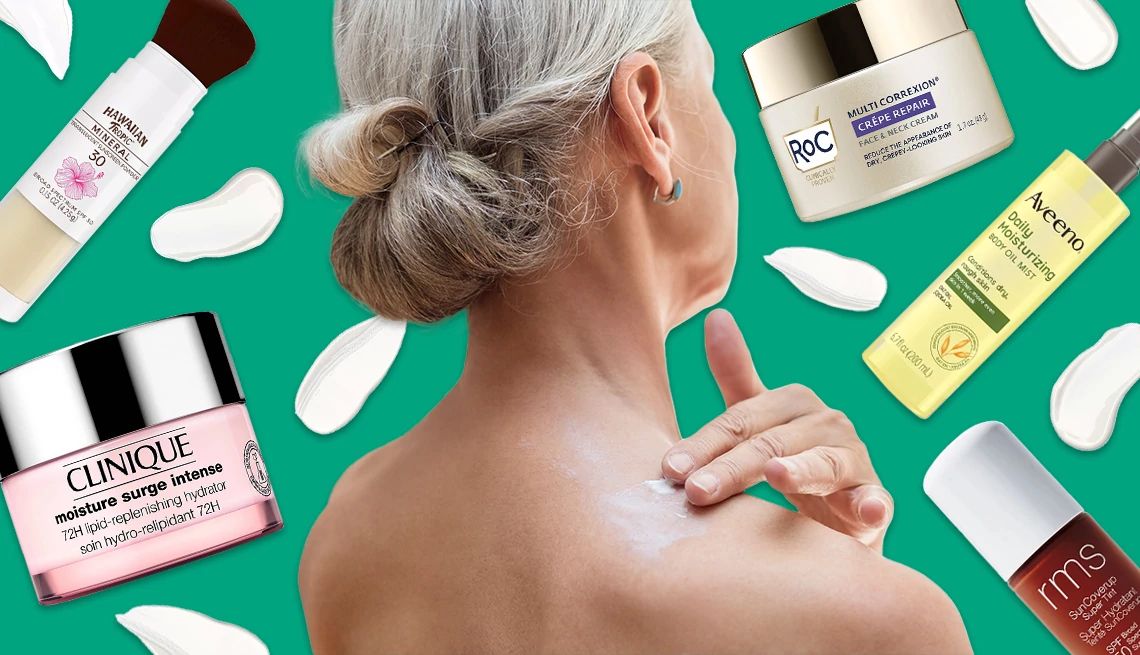
The Stratum Corneum (SC), the outermost layer of the epidermis, acts as the primary defense against environmental aggressors and regulates Transepidermal Water Loss (TEWL). When barrier dysfunction occurs, the skin becomes vulnerable to dryness, irritation, and flaking. Effective moisturizers address this complex issue by employing a calculated combination of ingredients to restore structural integrity and water content.
Mechanistic Classification of Moisturizing Agents
Moisturizers are not monolithic; they operate through three distinct, yet complementary, classes of ingredients :
- Humectants: These hydroscopic compounds, such as Glycerin, Hyaluronic Acid, and Polyglutamic Acid, function by attracting and binding water. They draw moisture from the environment and the deeper layers of the dermis into the SC, increasing water content and providing immediate hydration and a visible plumping effect. Hyaluronic Acid, in particular, is highly effective at increasing the water content of the outer layer of the skin without creating an occlusive barrier.
- Emollients: The primary role of emollients, which include agents like Ceramides, Jojoba Oil, Squalane, and Shea Butter, is to smooth and soften the skin. They achieve this by filling in the microscopic gaps between skin cells, thereby improving the skin’s texture and overall supple appearance.
- Occlusives: These ingredients form a hydrophobic, physical barrier over the skin surface to actively reduce water evaporation and prevent TEWL. Examples include Petrolatum, Mineral Oil, Dimethicone, and Lanolin. Petrolatum is clinically documented as the most effective occlusive moisturizer, capable of reducing water loss by almost 99%. These agents are crucial for maintaining hydration over long periods.
| Category | Primary Function | Example Ingredients | Relevance to Barrier Repair |
| Humectants | Attract and bind water | Glycerin, Hyaluronic Acid, Sodium Hyaluronate | Immediate Hydration, Plumping 1 |
| Emollients | Smooth and soften skin | Ceramides, Jojoba Oil, Squalane | Structural (Lipid Matrix), Texture Improvement 1 |
| Occlusives | Seal in moisture/Prevent TEWL | Petrolatum, Dimethicone, Shea Butter | Protective (Sealing), Long-term water retention 1 |
Advanced Formulation Science: The 3:1:1:1 Lipid Stoichiometry
The efficacy of barrier repair creams transcends simple ingredient listing; it relies on precise lipid engineering to reconstruct the natural dermal structure. Normal SC function depends on three key physiological lipids Ceramides, Cholesterol, and Free Fatty Acidswhich are present in an approximately equimolar ratio. Clinical studies have shown that the application of incomplete, two-component mixtures of these lipids delays barrier recovery. However, formulations strategically designed to increase the molar ratio of ceramides, specifically utilizing a 3:1:1:1 ratio of Ceramides:Cholesterol:Fatty Acids, significantly accelerates barrier recovery in normal skin.
This understanding suggests that sophisticated Hair and Skincare barrier repair creams must be designed with these scientifically validated physiological ratios to actively target and repair the structural abnormalities inherent in defective skin barriers. Cholesterol is vital for skin elasticity and temperature resilience, while fatty acids help decrease TEWL by forming lamellar layers with Ceramides
Synergy of Ceramides and Hyaluronic
Another advanced strategy involves the synergistic pairing of Ceramides and Hyaluronic Acid (HA). HA, a powerful humectant, hydrates the skin by attracting and holding water, providing a rapid plumping effect and reducing the visibility of fine lines. Ceramides, as structural lipids, function to replenish and repair the skin barrier, sealing in the moisture provided by the HA and preventing water loss. This powerhouse combination maximizes hydration, provides long-term environmental protection, and supports cell renewal to minimize signs of aging, leading to more resilient and youthful-looking skin.
Tailoring Moisturizer Selection to Skin Type
Moisturizer selection must be tailored to individual dermal needs:
- Dry Skin: Requires rich formulations that replenish both water and oil, necessitating high concentrations of emollients (Ceramides, Squalane) and occlusives (Shea Butter, Petrolatum) to provide long-lasting hydration and robust barrier reinforcement. For severe dryness or compromised skin conditions like eczema, multi-ceramide formulas, potent occlusive ointments (such as Aquaphor), and keratolytic agents (Urea, Lactic Acid) may be necessary to smooth rough patches and manage flakiness.
- Oily Skin: Should utilize lightweight, non-comedogenic gel or oil-free formulations. Key ingredients often include Niacinamide, which helps balance oil production, and lightweight humectants like hyaluronic acid to hydrate without exacerbating shine.
B. Anti-Aging Creams: Cellular Signaling and Renewal Agents
Retinoids: The Nucleus of Renewal
Retinoids, which are derivatives of Vitamin A, are considered the gold standard in topical anti-aging treatment due to their ability to regulate cell apoptosis, differentiation, and proliferation. They exert their profound anti-wrinkle effects by interacting with specific nuclear receptors (Retinoic Acid Receptors RAR, and Retinoid-X Receptors RXR).
The mechanistic power of retinoids is manifold: they promote keratinocyte proliferation, significantly stimulate new collagen synthesis, and reinforce the epidermal protective function by restraining transepidermal water loss. Crucially, retinoids protect existing dermal structures by inhibiting the activity of metalloproteinases (MMPs), enzymes responsible for degrading the extracellular matrix. This action enhances the remodeling of reticular fibers and stimulates angiogenesis in the papillary layer of the dermis. However, their high efficacy is balanced by inherent limitations, including instability and potential for irritation, which often restrict their application to nighttime regimens.
Vitamin C (L-Ascorbic Acid): Photoprotective Antioxidant Shield
Vitamin C (ascorbic acid) is an essential co-factor in any comprehensive Hair and Skincare regimen, primarily due to its potent antioxidant properties and its role in collagen synthesis.
- Antioxidant Photoprotection: As an antioxidant, Vitamin C protects the skin against Reactive Oxygen Species (ROS) generated by exposure to UV radiation. Although ascorbic acid does not absorb UV light (lacking absorption spectra in the UVA and UVB range), topical application provides photoprotection by reducing free radicals and mitigating the immunosuppressive effects of UV exposure. This defense is maximized when Vitamin C is paired with Vitamin E, acting as a synergistic redox partner to slow oxidative degradation and enhance protection.
- Anti-Pigmentary Action: Vitamin C also functions as a powerful anti-pigmentary agent. It inhibits the tyrosinase enzyme, the key enzyme responsible for converting tyrosine into melaninby interacting with copper ions at the active site. This leads to a decrease in melanin formation, offering clinical benefits in treating conditions such as melasma and general hyperpigmentation.
To maintain stability and enhance absorption, optimal formulations often utilize stabilized derivatives, such as lipophilic compounds, which penetrate the skin more easily than pure ascorbic acid.Advanced Peptide Technology: Precision Molecular Communication
Peptides, short chains of amino acids, offer highly specialized, mechanism-driven solutions for mitigating the signs of aging. They are broadly categorized based on their function:
- Signal Peptides: These are designed to mimic signals for Extracellular Matrix (ECM) protein synthesis, such as collagen and elastin. They stimulate fibroblasts to increase production of collagen and other essential components like laminins. Examples include Palmitoyl Tripeptide-5 and Tetrapeptide-21, which boost collagen synthesis and improve elasticity.
- Neurotransmitter-Inhibiting Peptides: These synthetic peptides, such as Pentapeptide 3, are designed to compete with the proteins involved in acetylcholine release. By disrupting this process, they lead to localized muscle relaxation, effectively softening dynamic expression wrinkles.
- Carrier Peptides: These function to transport essential trace elements, such as copper ions ($\text{Cu}^{2+}$), into cells to support skin repair and function.
These peptide categories often work synergistically to reduce existing wrinkles and prevent new ones from forming, reinforcing the efficacy of advanced Hair and Skincare formulations.
C. Sunscreens: The Cornerstone of Preventative Hair and Skincare
Sunscreens represent the single most important preventative measure against photoaging, hyperpigmentation, and skin cancer. Dermatologists stress the mandatory use of a broad-spectrum sunscreen with an SPF of 30 or higher every day.
Comprehensive UV Protection: UVA vs. UVB
Effective sun protection must shield against both types of ultraviolet radiation:
- UVA Rays (Aging): Characterized by the longest wavelength, UVA penetrates deeply into the dermis. These rays are responsible for up to 95% of the UV radiation reaching the Earth, maintaining a relatively constant intensity throughout the day, even on cloudy days, and are capable of penetrating window glass.
- UVB Rays (Burning): These shorter-wavelength rays primarily affect the outer layer of the skin and are responsible for sunburn. The Sun Protection Factor (SPF) value indicated on a product primarily correlates to the level of protection against UVB radiation.
Physical vs. Chemical Filter Mechanics
Sunscreens achieve protection via two principal mechanisms:
- Physical (Mineral) Filters: These include Zinc Oxide and Titanium Dioxide. They work by forming a physical barrier on the skin that reflects UV radiation. Mineral sunscreens are often preferred for sensitive skin because their larger particle size limits skin absorption and they possess anti-inflammatory and non-comedogenic properties. Clinical data suggests that Zinc Oxide offers superior full-spectrum protection compared to Titanium Dioxide alone.
- Chemical (Organic) Filters: These carbon-based molecules absorb into the skin and break down UV radiation via a chemical mechanism. While effective, chemical filters have been shown to be systemically absorbed and can remain in the bloodstream for extended periods, raising concerns about long-term safety.
Application Protocols: Volume and Reapplication Compliance
While selecting an SPF 30 or higher offers robust protection, the critical failure point in sun protection compliance is often inadequate application volume and frequency. A high SPF number (e.g., SPF 100) provides only marginally higher benefits than SPF 30. To ensure adequate coverage, professionals recommend the “teaspoon rule”: applying 1 teaspoon to the face and neck, 1 teaspoon to each arm, and 2 teaspoons to the torso. Furthermore, reapplication every two hours, or sooner if swimming or sweating, is mandatory to maintain the promised efficacy.
It is especially crucial to maintain diligent sun protection when using renewal agents. Retinoids and similar medications, such as isotretinoin, accelerate cell turnover, exposing newer, more delicate skin cells that are significantly more prone to photosensitivity and UV damage, leading to irritation and hyperpigmentation. Therefore, sunscreen must always be the final, protective step in the morning Hair and Skincare routine.
III. Hair Care & Scalp Treatments: Focusing on Follicular Vitality
A. Hair Growth Serums: Extending the Anagen Phase
Hair growth is a cyclical process involving four distinct stages: Anagen (active growth), Catagen (transition/regression), Telogen (resting/dormant), and Exogen (shedding). Androgenetic Alopecia (AGA), the most common form of progressive hair loss, is characterized by the premature shrinking of the follicle and its early transition into the resting (Telogen) phase. The primary therapeutic objective of Hair Growth Serums is to prolong the Anagen phase and minimize disruptions caused by factors like acute stress or illness.
Standard Pharmacological and Combination Protocols
Minoxidil (Rogaine) remains the established standard topical treatment for AGA. However, comprehensive clinical analysis demonstrates that combination therapies offer superior overall efficacy. For instance, a network meta-analysis revealed that the combination of Minoxidil with Platelet-Rich Plasma (PRP) and basic Fibroblast Growth Factor (bFGF) showed the highest efficacy, resulting in a mean increase in hair density of $35.12 \text{ hairs/cm}^2$ over Minoxidil monotherapy. For female pattern hair loss, Minoxidil combined with Microneedling proved highly effective. This evidence supports the strategy that effective modern Hair and Skincare solutions for hair loss should employ a multi-target approach, addressing growth factors, chemical stimulation, and improved nutrient delivery simultaneously.
Mechanisms of Cosmeceutical Actives
Advanced serums often incorporate science-backed, non-medical compounds:
- Peptides: These molecules promote hair growth and scalp health by stimulating angiogenesis (the formation of new blood vessels) and actively extending the hair’s growth phase. Copper Peptides, in particular, are frequently studied for their ability to activate hair follicles and improve the scalp environment.
- Caffeine: Topical caffeine preparations show potential as safe and effective agents against hair loss, although researchers continue to call for more rigorously designed clinical trials to solidify these claims.
- Multi-Peptide Serums: Optimal non-medical serums capitalize on the combination principle validated in clinical trials, blending peptides with other growth-enhancing compounds like caffeine or niacinamide to support the follicular environment and provide comprehensive treatment for mild to moderate thinning.
B. Scalp Massagers: Biomechanical Stimulation and Circulation
Scalp massagers facilitate the movement and pressure necessary to promote blood flow to the scalp. This improved microcirculation is crucial for delivering a better supply of oxygen, vitamins, and minerals, all of which are critical nutrients for optimizing hair growth and follicle function. This improved circulation is a core element of proactive Hair and Skincare for the scalp.
Biomechanical Impact on Hair Thickness
Beyond increased blood flow, studies indicate that standardized scalp massage (SSM) provides a unique, drug-independent pathway for structural hair improvement. Clinical research has documented that SSM can increase hair thickness, a phenomenon attributed to the mechanical stress placed upon the dermal papilla cells, causing structural changes that enhance density. Further analysis suggests that perceived hair loss stabilization and regrowth often occur after a cumulative effort of approximately $36.3$ total hours of SSM. This demonstrates that consistent, time-dependent adherence to massage protocols is essential for achieving therapeutic benefits.
Importantly, the structural benefits derived from SSM were observed to be additive, meaning the self-perceived improvements did not vary whether participants were using concomitant pharmacological treatments like Minoxidil or Finasteride.
Holistic Benefits and Synergy
Scalp massage offers significant holistic benefits, notably stress mitigation. The practice can reduce circulating stress hormones, specifically norepinephrine and cortisol. Managing stress is vital because heightened cortisol levels may exacerbate hair loss by increasing the impact of DHT and causing hair follicles to prematurely shift into the dormant Telogen phase.
Furthermore, incorporating a massager enhances the application of topical treatments by promoting better product penetration. The efficacy can be enhanced by utilizing specific essential oils, such as Peppermint Oil, which has demonstrated superior hair growth effects compared to common vehicles like jojoba oil or even saline, and Rosemary Oil, known for its antioxidant qualities and ability to promote circulation.
C. Anti-Dandruff Solutions: Targeting Etiology and Scaling
Effective Hair and Skincare requires the correct diagnosis and targeted management of common scalp disorders. Dandruff (Pityriasis Simplex) and Seborrheic Dermatitis (SD) are primarily triggered by the presence and subsequent overgrowth of the lipophilic yeast Malassezia globosa and M. furfur. While Malassezia lives on everyone’s skin, a negative reaction in susceptible individuals (about 50% of the population) leads to the inflammatory cascade that causes flaking and irritation.
Differentiating Dandruff and Seborrheic Dermatitis (SD)
While both conditions cause flaking, they differ significantly in severity and symptoms:
- Dandruff: A mild, chronic condition characterized by small, dry, white or yellowish flakes and mild itchiness. It typically lacks observable redness or inflammation.
- Seborrheic Dermatitis (SD): A more intense, inflammatory condition that causes significant redness, irritation, and thick, greasy, yellow scales. SD often extends beyond the scalp to oily areas of the face, behind the ears, or on the chest and back.
Table 2: Key Differences Between Dandruff and Seborrheic Dermatitis
| Feature | Dandruff (Pityriasis Simplex) | Seborrheic Dermatitis (SD) |
| Severity | Mild, generally localized to the scalp | Moderate to severe, potentially widespread |
| Flake Characteristics | Dry, small, white/yellowish | Greasy, thick, yellowish, and scaly |
| Inflammation | Little to none | Often causes significant redness and irritation |
| Systemic Symptoms | Primarily flaking and mild itchiness | May include burning, swelling, and widespread discomfort |
Pharmacological Mechanisms of Active Ingredients
Anti-dandruff treatments employ a multi-pronged approach combining fungicidal control with scale management:
- Antifungal Agents (Etiological Control): These agents directly reduce the microbial load of Malassezia. Key ingredients include Ketoconazole 1%, which exhibits strong anti-Malassezia activity. Zinc Pyrithione (ZPT) is a common antifungal agent used to augment the efficacy of other ingredients. Selenium Sulfide 1% is also a potent antifungal that has shown high efficiency (92.5%) in reducing flaking after short courses of treatment for both dandruff and SD.
- Keratolytics (Scale Management): Salicylic Acid is a keratolytic agent that works by increasing moisture in the outer skin layer and dissolving the substance that causes dead cells to clump together. This action promotes the shedding of thick, dead skin layers, making it highly effective for managing the characteristic scales associated with SD and psoriasis.
For optimal results, medicated shampoos require adequate contact time on the scalp (several minutes) before rinsing. After symptoms are cleared, a consistent maintenance schedule (e.g., once every one to two weeks) is necessary to prevent relapse. For severe or persistent SD, a dermatologist may prescribe stronger agents, such as combination therapy involving potent antifungals and prescription-strength corticosteroids.
IV. Optimized Hair and Skincare Regimens: Layering for Maximum Efficacy
The effectiveness of advanced Hair and Skincare solutions is significantly determined by the proper order of product application. Adherence to strict layering rules ensures molecular stability, maximizes penetration, and prevents the synergistic side effects that can occur when incompatible active ingredients are combined.
A. The Foundational Principles of Layering
The layering methodology is based on the physical properties of the ingredients:
- Thin Before Thick: Products with a thinner, more liquid consistency, such as toners and serums, absorb rapidly and must be applied before thicker formulations like creams and lotions.
- Water Before Oil: Water-based products, such as Vitamin C serums or Hyaluronic Acid gels, must precede facial oils or heavy creams. This is because oils and heavy creams create a hydrophobic, occlusive layer on the skin that prevents water-based products from penetrating effectively.
- SPF is Always Last: Sunscreen must be applied as the absolute final step in the morning routine. This product forms a protective shield on the skin; applying any other product on top risks disrupting the integrity of the UV barrier. Studies indicate that 80% of aging signs are related to sun damage, underscoring the necessity of making broad-spectrum SPF 30+ the protective finale.
B. Strategic Allocation of Active Ingredients (AM vs. PM)
The optimization of a Hair and Skincare routine involves dividing active treatments into protocols that serve morning defense and nighttime repair. This sequential management maximizes the therapeutic window of each ingredient while minimizing photo-instability and irritation.
Morning Protocol (Defense and Protection)
The morning routine focuses on defending the skin against oxidative stress, environmental pollutants, and UV radiation:
- Cleanse
- Vitamin C Serum (antioxidant defense)
- Eye Cream (optional)
- Light Moisturizer (oil-free gel or one rich in humectants like Hyaluronic Acid)
- Sunscreen (Broad-spectrum SPF 30+, applied liberally as the final layer)
Evening Protocol (Repair and Renewal)
The evening routine focuses on intense cellular remodeling, repair, and barrier restoration when the skin is not exposed to UV light:
- Cleanse, followed by exfoliation (if necessary, placed before actives)
- Retinoid Serum (cellular remodeling and collagen stimulation)
- Eye Cream (optional)
- Rich Moisturizer (Cream-based formula, ideally utilizing the 3:1:1:1 lipid mixture for barrier repair)
- Face Oil or Heavy Occlusive (optional, to lock in moisture and further prevent TEWL)
C. Critical Ingredient Interactions and Contraindications
A sophisticated Hair and Skincare routine must strictly avoid combining certain active ingredients that can lead to irritation, barrier compromise, or molecular inactivation.
- Retinoids + Alpha Hydroxy Acids (AHAs) / Beta Hydroxy Acids (BHAs): This combination is highly aggressive. Both ingredient classes promote exfoliation, and using them simultaneously can damage the skin’s moisture barrier, leading to severe irritation, dryness, redness, and over-exfoliation. They should be separated into alternating days or strictly defined routines.
- Vitamin C + Retinoids: Although beneficial individually, combining Vitamin C (which requires an acidic pH for stability) and Retinoids (which can cause irritation) can lead to mutual pH disruption and increased skin sensitivity. The optimal strategy separates them into the AM (Vitamin C) and PM (Retinoids).
- Vitamin C + Benzoyl Peroxide (BP): BP is a strong oxidizing agent. When combined with Vitamin C, the BP renders the antioxidant properties of Vitamin C useless. These products should be used on alternative days.
V. Conclusion: Commitment to Integrated Hair and Skincare Science
The pursuit of optimal appearance and function across the dermal and follicular systems requires a commitment to integrated scientific principles. Effective Hair and Skincare is achieved through an integrated methodology that views the skin and scalp as a continuous, complex system requiring sophisticated structural, regenerative, and protective strategies.
The data confirms that therapeutic success hinges on two central principles:
- Scientific Formulation Precision: Moving beyond simple ingredient inclusion, specialized formulations must adhere to clinically validated structural needs, such as the 3:1:1:1 ratio of lipids necessary for efficient skin barrier repair , and the multi-target approach proven superior in hair growth combination therapies. The effectiveness of specialized devices, such as scalp massagers, is validated by demonstrable, time-dependent biomechanical changes in hair thickness.
- Strategic Application and Compliance: The highest rates of success, particularly in anti-aging, are achieved through strategic ingredient allocation (Retinoids for PM renewal, Vitamin C for AM defense) and strict adherence to layering protocols. The mandatory and most critical step in protecting the investment made in all other Hair and Skincare products is the daily application of broad-spectrum SPF 30+ as the final layer
By utilizing evidence-based solutions that target cellular health, barrier integrity, and effective UV defense, consumers can proactively manage the complex biological processes of aging and environmental stress, establishing a durable foundation for lifelong Hair and Skincare wellness. Visit our shop here, and if you have any questions feel free to reach out to us here.


