
Bathroom Safety: Guaranteed Fall Prevention and Security
December 17, 2025 2025-12-17 14:10Bathroom Safety: Guaranteed Fall Prevention and Security
Comprehensive Guide to Structural Bathroom Safety and Accessible Home Care Equipment
I. The Urgency of Bathroom Safety: Addressing the Epidemic of Preventable Falls
The bathroom, an essential space for daily living, presents a unique and critical safety challenge within the home environment. Due to the combination of hard, often slippery surfaces, confined spaces, and the necessity of complex physical transfers such as stepping over tub barriers and executing sit-to-stand movements it remains the most high-risk area for severe injury among older adults. A proactive, structural approach to Bathroom Safety is therefore non-negotiable for anyone focused on maintaining independence, preventing injury, and ensuring long-term health while aging in place.
A. The Bathroom as a Critical Risk Zone in Home Care
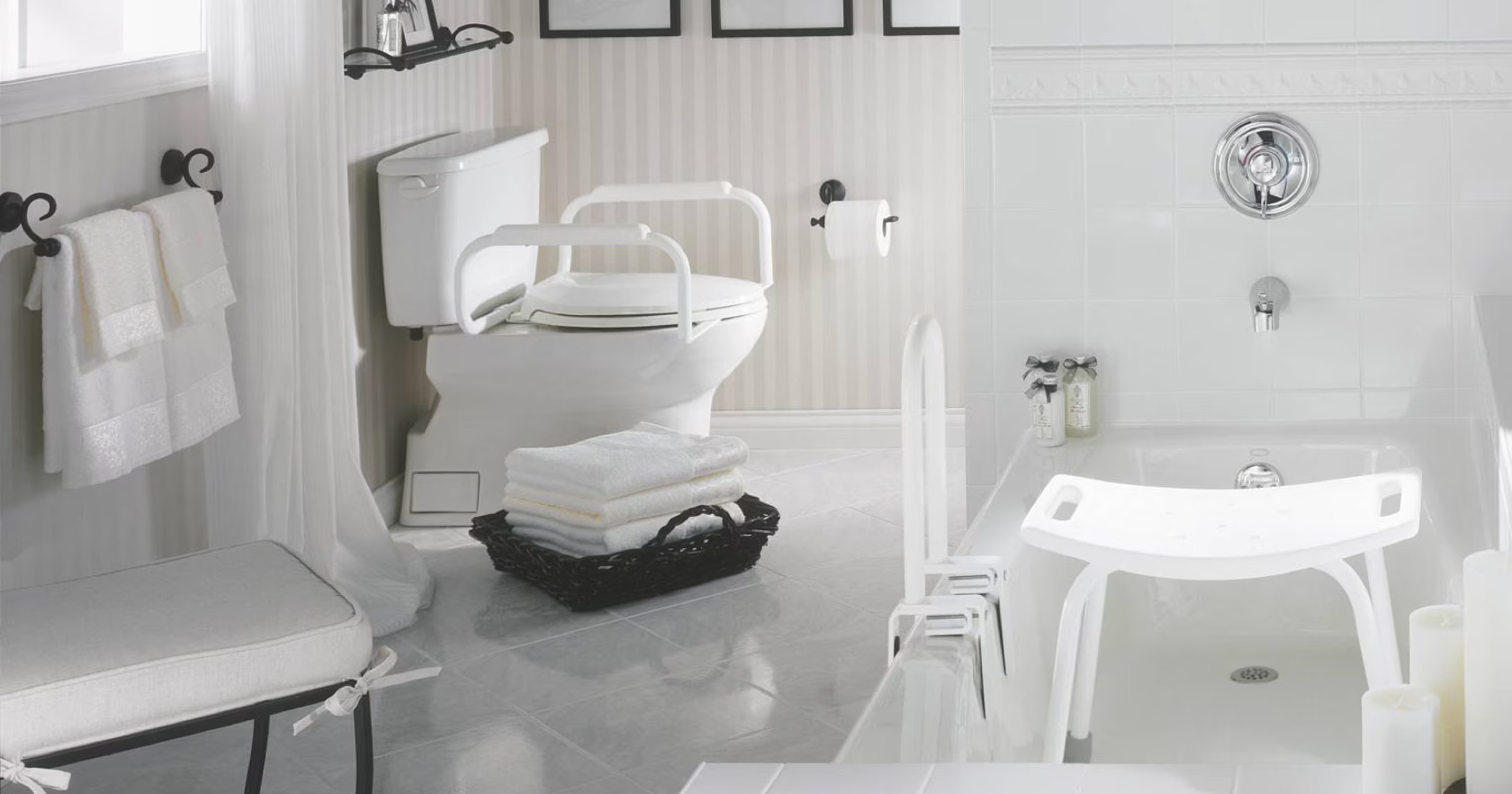
Statistical data underscores the severity and frequency of falls among the elderly. Over one out of every four Americans aged 65 or older experiences a fall each year. Alarmingly, individuals who fall once double their chances of falling again, establishing a dangerous pattern of risk. These falls often result in profound injuries; they are the most common cause of traumatic brain injuries (TBI)
The impact of falls on bone health is particularly catastrophic. In 2019 alone, 83% of deaths resulting from hip fractures and 88% of emergency department visits and subsequent hospitalizations for hip fractures were directly attributed to falls. Annually, nearly 319,000 older individuals are hospitalized specifically for hip fractures. This evidence confirms that a failure in Bathroom Safety often leads to injuries that are not merely inconvenient but medically life-altering or even fatal. The installation of appropriate equipment directly mitigates several known fall risk factors identified by the CDC, including difficulties with balance, walking, and lower body weakness.
B. The Financial and Human Cost of Inadequate Bathroom Safety
The societal and economic consequences of geriatric falls are immense. The financial burden for non-fatal falls among older adults totaled approximately $80 billion in healthcare costs in 2020, a figure that is expected to rise further as the U.S. population ages. The healthcare system responds reactively to these crises, reporting roughly 3 million emergency department visits and about 1 million fall-related hospitalizations among older adults annually.
When evaluating the necessity of high-quality, permanent Bathroom Safety solutions, such as professional installation of durable equipment, the primary justification rests on the principle of cost mitigation. The initial expense associated with installing stainless steel grab bars, shower benches, or commodes is negligible when weighed against the average cost of treating a complex injury like a hip fracture or a TBI. Proactive investment in structural Bathroom Safety equipment serves as a critical financial strategy, providing superior long-term economic value by reducing the likelihood of catastrophic, high-cost medical events.
C. The Unmet Need: Quantifying the Accessibility Gap
Despite the clear dangers, a substantial portion of the population that requires adaptive equipment lacks access to it. An estimated 5 million individuals in the U.S. have an unmet need for essential bathing or toileting equipment. Research indicates that 42% of those over the age of 65 who require adaptive equipment to manage basic hygiene and mobility challenges lack the necessary aids.
This deficit is detailed in specific categories: among individuals needing bathing assistance equipment, 26% have none, and 33% have only one item, such as a grab bar or a shower seat. For those requiring toileting equipment, 44% possess no aids at all. This substantial gap demonstrates a failure to provide basic accessibility and safety. The goal of providing durable medical equipment is thus elevated beyond simply product sales; it addresses a widespread public health need by restoring dignity, autonomy, and the ability to age in place safely, which are critical elements of life quality often compromised by the lack of structural Bathroom Safety.
II. Maximizing Stability in the Shower and Tub: Accessibility Aids for Bathing
The wet environment of the shower and tub mandates specialized aids to manage fatigue, transfer, and stability. These accessibility devices are structurally engineered to mitigate the inherent risks of slippery surfaces, significantly enhancing Bathroom Safety.
A. Shower Chairs and Transfer Benches: Engineered for Secure Seating
Shower chairs provide a stable, non-slip platform, allowing users to wash while seated. This function is vital for alleviating fatigue and preventing the dangers associated with prolonged standing on wet, hard surfaces.
Ergonomic design features are essential for maximizing safety and comfort:
- Adjustable Height: A primary safety feature is height adjustability. By setting the chair precisely to the user’s height, the mechanical strain during sit-to-stand transitions is minimized. This correct elevation allows the user to leverage their stronger leg muscles (quadriceps) rather than relying on weaker core strength, reducing the instability and fatigue that frequently lead to falls during the transition.
- Support Elements: Chairs often feature supportive elements such as backrests, armrests, or hand grips. These features offer added stability, particularly beneficial for individuals who have reduced muscle tone or who experience fatigue quickly. Supportive backrests also ensure positive posture, reducing overall strain during the bathing process.
- Materials and Sanitation: Equipment must be constructed from waterproof materials that are designed to dry rapidly, ensuring sanitary conditions and ease of removal for multi-user bathrooms.
B. Tub Transfer Benches: The Mechanics of Zero-Risk Entry and Exit
Tub transfer benches are specifically designed to overcome the physical barrier presented by the tub wall. This device allows the user to execute a seated transfer, eliminating the high-risk movement of stepping over the tub lip.
The safe transfer sequence involves the user first sitting securely on the portion of the bench outside the tub. They then lift their legs over the tub wall while remaining seated, scooting inward until positioned beneath the showerhead. Grab bars or the bench arms should be utilized throughout this motion for continuous support. Exiting is a reversal of this motion. For optimized bathing, a handheld shower head is recommended, allowing the user to control the water direction and rinse fully without needing to stand or reach for wall controls.
A critical, engineered detail of the transfer bench pertains to its stability on uneven surfaces. Standard bathtubs have a floor that is typically 2 to 3 inches higher than the main bathroom floor. To ensure a level, stable seating surface and prevent tipping, the legs of the bench that rest inside the tub must be adjusted to be shorter than those resting on the bathroom floor. This asymmetric leg setup is vital for proper transfer mechanics and is necessary to prevent a dangerous shift in the user’s center of gravity.
C. Material Science: Non-Slip Surfaces and Wet Environment Integrity
The necessity of high-traction surfaces is fundamental to Bathroom Safety. Technical classification standards designate surfaces with a Dynamic Coefficient of Friction (CoF) greater than $0.36$ as having low slip potential.
In the bathing area, non-slip solutions must be applied to prevent hazardous foot grip failure. This includes high-quality bath mats, which rely on rubber suction cups to adhere securely to the tub surface. For effective adhesion, these mats must be installed on surfaces that are completely clean, dry, and free of soap or cleaner residue. Alternatively, self-stick adhesive tread strips provide a permanent non-slip surface. When installing adhesive treads, care must be taken to ensure adequate coverage of the standing area to eliminate any uncovered patches that could lead to a fall.
III. The Non-Negotiable Standard: Grab Bars and Structural Bathroom Safety
Grab bars are load-bearing safety devices and the definitive core element of structural Bathroom Safety. Their reliability is essential for preventing falls, necessitating strict adherence to structural standards and installation protocols.
A. Selecting the Right Support: ADA Compliance and Placement Essentials
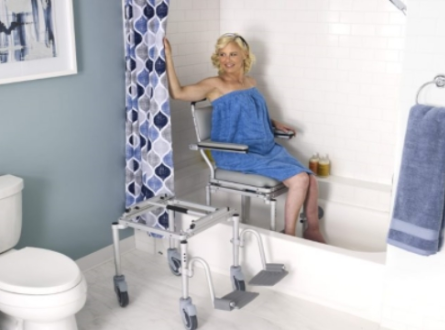 Safety codes mandate that grab bars must be structurally sound enough to support a minimum dynamic load of 250 pounds (113.4 kg). High-quality, professionally installed bars often demonstrate load capacities exceeding 1350 lbs (612.4 kg) when anchored correctly, far surpassing the required minimum.
Standardized placement ensures the bar is positioned for maximum mechanical advantage across all transfer movements:
- ADA Height Standard: All horizontal grab bars, regardless of whether they are located in the shower, tub, or near the toilet, must be mounted consistently between 33 and 36 inches (840 to 915 mm) from the finished floor or the shower floor.
- Toilet Positioning: Behind the toilet, a horizontal grab bar must be at least 36 inches long, extending specific distances from the toilet’s centerline. A separate side wall grab bar, also mounted at the standard height, must extend at least 54 inches from the rear wall to ensure continuous lateral support.
- Bathing Area Positioning: Comprehensive Bathroom Safety requires bars to be strategically placed on the control wall, the back wall, and near any fixed seating areas to ensure support during transfers and while seated. For conventional bathtubs, additional vertical bars are typically recommended to aid in the complex movements of standing and entering.
B. A Deep Dive into Durability: Material Choice for Longevity
The material composition of a grab bar dictates its resistance to corrosion and its long-term reliability in a moisture-rich environment. Stainless steel (Type 304) is recognized as the superior material for structural Bathroom Safety.
Stainless steel’s exceptional durability stems from its intrinsic composition, which includes chromium. This element reacts with oxygen to form a thin, non-porous layer of chromium oxide, known as the passive layer, on the metal’s surface. This layer acts as an effective shield, preventing moisture penetration and resisting rust and general corrosion, thus ensuring the material maintains its full structural integrity over many years of heavy use.
While chrome-plated options are a budget-friendly alternative with an initially brighter finish, they introduce long-term risks. Chrome plating is merely a surface coating over a base metal, which is susceptible to damage. If the plating is scratched, peels, or flakes off due to wear or contact with water, the underlying metal is exposed to moisture and corrosion. This material degradation can eventually compromise the integrity of the attachment points, creating a significant hazard over time. The fundamental strength and resistance of solid stainless steel offer a superior total ownership value and minimize the risk of material failure, which is paramount in load-bearing Bathroom Safety equipment.
C. Installation Integrity: Eliminating the Failure Risk
The strength of a grab bar is entirely dependent on the method used for its attachment. Anchoring a grab bar directly into drywall, even with non-structural anchors, creates a significant and unacceptable safety hazard. Drywall, composed of gypsum and paper layers, is incapable of bearing the intense, dynamic forces exerted during a fall, which can easily exceed the 250-pound minimum load requirement. When subjected to sudden force, drywall will inevitably crumble and tear out, causing the grab bar to fail catastrophically and defeating the purpose of Bathroom Safety.
For guaranteed, long-term reliability, secure installation must adhere to these structural mandates:
- Mounting into Studs: Grab bars must be anchored directly into vertical wooden wall studs whenever possible.
- Structural Reinforcement: If the desired placement does not align with a stud, the installation must utilize reinforced backing or structural blocking wood installed horizontally between the studs to provide adequate strength.
- Specialized Requirements: Certain devices, such as vertical assist bars or fold-up models, exert unique stresses that may require enlarged areas of wall reinforcement or extremely secure, permanent floor connections.
For applications where permanent wall modification is not feasible, tension-mounted support poles, which span securely between the floor and ceiling, or tub rails, which clamp onto the wall of the tub, offer temporary yet safe solutions for transfer support.
D. Safety Alert: Why Suction Grab Bars Do Not Provide Bathroom Safety
Suction-mounted grab bars are frequently misused and provide a dangerous, false sense of security. They are temporary aids intended only for light balance assistance and are explicitly not load-bearing devices. They must never be considered substitutes for permanently installed, structural grab bars because they do not meet the minimum load capacity standards mandated by safety codes.
The inherent mechanism of suction bars makes them prone to sudden and catastrophic failure:
- Surface Constraints: They require an absolutely smooth, non-porous surface (such as specific glass or glossy tiles) to adhere. They cannot be used on common textured tiles, natural stone, or across grout lines, as any imperfection compromises the seal.
- Environmental Weakness: Because they rely on air pressure for adherence, suction bars can lose their grip without warning due to moisture buildup, changes in temperature, or high humidity all conditions unavoidable in a bathroom.
Using a suction device for support during a slip violates the fundamental principles of Bathroom Safety and places the user at extreme risk of injury.
IV. Safe Transfers and Independence: Toilet Safety Frames and Portable Commodes
Safe and independent toileting requires specialized equipment that provides secure leverage and minimizes the distance a user must travel, especially during periods of reduced mobility or elevated fall risk.
A. Toilet Safety Frames: Stabilizing Transfers for Leg Weakness
Toilet safety frames provide a stable, walker-like support system around the existing toilet. Their primary function is to provide sturdy armrests, offering the necessary leverage for a user to safely push off from when rising. This makes them ideal for individuals experiencing balance issues, generalized leg weakness, or those recovering from conditions that impact stability.
A key benefit of the standard toilet safety frame is that it generally does not raise the seat height. This allows the toilet to remain at its standard height for other household members, making the frame a non-invasive, shareable solution. Frames can be configured as freestanding units that require no tools for installation or can be models that bolt securely to the toilet.
B. The Versatility of Portable and Bedside Commodes
Bedside commodes are powerful tools in fall prevention, functioning by preventing vulnerable individuals from needing to traverse the hazardous distance to the bathroom, particularly during high-risk nighttime periods. By eliminating the need to walk through dark hallways or navigate tight spaces while in a compromised state, the commode acts as a primary, immediate preventative measure against falls.
For clinical care, commodes facilitate a regular, scheduled toileting regimen (e.g., every 2 to 4 hours), assisting in the management of incontinence and ensuring the individual uses the toilet safely without rushing.
The 3-in-1 Commode: Multifunctional Bathroom Safety
The 3-in-1 commode is a highly versatile device that maximizes value by combining three essential functions into a single unit:
- Bedside Commode: Used with its removable bucket and liner when the user cannot safely reach the bathroom.
- Toilet Safety Frame: The unit can be positioned over a standard toilet, providing the stable handrails and arm support necessary for secure sitting and standing transfers.
- Raised Toilet Seat: The height-adjustable frame inherently increases the seating level when placed over a toilet, which reduces the joint strain necessary for hip or knee recovery patients, similar to a dedicated toilet riser.
This multifunctional capacity allows the equipment to adapt to increasing levels of need, providing a long-term, scalable component of Bathroom Safety that minimizes the need for multiple, successive equipment purchases.
C. Innovations for Caregiver Relief and Safe Transfers
Caregiving is physically taxing, particularly when assisting with transfers onto and off the toilet. The repeated physical effort of lifting and turning users often results in orthopedic injuries for family members and professional aides.
Modern commode designs incorporate features specifically to alleviate this strain. Drop-arm commodes, for instance, allow the caregiver to quickly release one armrest. This facilitates safe lateral transfers from a bed or wheelchair, enabling the user to pivot or slide onto the seat instead of requiring the caregiver to execute a difficult manual lift. By reducing the transfer distance and minimizing the heavy lifting required, these designs significantly improve the safety and physical health of the caregiver while enhancing the comfort of the person being assisted.
D. Bariatric Bathroom Safety Equipment: Ensuring Adequate Support
To ensure reliable Bathroom Safety for all users, specialized bariatric equipment is necessary when the user’s weight exceeds the standard capacity of typical medical equipment (usually 250 to 300 pounds).
Bariatric equipment is structurally reinforced to handle capacities generally starting at 550 lbs and, for high-capacity models, often extending up to 1,000 lbs or more.This structural integrity is not limited to strength; bariatric designs also emphasize greater comfort, wider dimensions, and enhanced stability to properly accommodate the specific biomechanical needs of larger individuals. Utilizing bariatric-rated equipment is a non-negotiable safety mandate to prevent equipment failure and ensure reliable Bathroom Safety.
V. Dignity and Cleanliness: Integrating Modern Hygiene Solutions
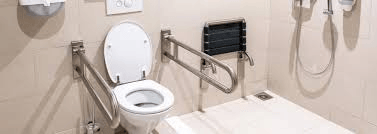 Modernizing the toilet area with bidet attachments or seats is an increasingly recognized element of comprehensive home care. These devices provide essential benefits related to independence, dignity, and hygiene, indirectly bolstering overall Bathroom Safety by reducing transfer strain.
A. Bidet Attachments and Seats: Maximizing Personal Independence
Bidet attachments provide enhanced personal hygiene, offering a superior level of cleansing compared to dry toilet paper alone. This promotes better skin health and can significantly reduce the risk of localized bacterial infections.
For older adults and those with mobility limitations that restrict their ability to reach or wipe, bidets are vital tools for restoring autonomy and preserving dignity. They allow users to complete the act of personal hygiene independently, removing the necessity of relying on a caregiver for this intimate task.
The simplification of hygiene also benefits the caregiver, making the delicate process of toileting assistance easier, less awkward, and more effective at maintaining cleanliness between full bathing days. By making post-toileting hygiene simple and reliable, the bidet reduces the likelihood that a user or caregiver will rush or perform unstable maneuvers in the toilet area, contributing to overall Bathroom Safety.
B. Practical and Environmental Benefits
In addition to personal health benefits, bidet systems offer compelling economic and environmental advantages:
- Cost-Effectiveness and Ecology: Bidet use drastically reduces or eliminates the need for toilet paper, making them cost-effective over the long term and representing an environmentally responsible choice by conserving paper waste.
- Skin Comfort: Cleansing with water is significantly gentler than abrasive paper, which is particularly important for individuals with sensitive skin or certain anorectal conditions.
C. Choosing the Right Attachment System
Accessibility solutions range from simple, non-electric attachments to feature-rich electric seats:
1. Bidet Attachments (Non-Electric)
These systems provide core functionality without requiring an electrical connection. They are the most accessible entry point for water cleansing.
- Features: They offer fundamental controls such as adjustable water pressure and nozzle positioning.
- Installation: Non-electric models are highly affordable and designed for easy installation, often taking less than 30 minutes with basic tools. This makes them an excellent, immediate enhancement for Bathroom Safety and hygiene, particularly suitable for rental properties.
2. Bidet Seats (Electric)
Electric bidet seats integrate advanced features for maximum comfort and clinical effectiveness.
- Features: These models include warm water control, heated seats, warm air drying functions, and often remote control operation.
- Installation Requirement: Due to the electrical components, electric seats require access to a dedicated GFCI (Ground-Fault Circuit Interrupter) electrical outlet for safety.
The strategic availability of both non-electric and electric options allows for tailored investments in long-term care, ensuring that hygiene solutions can be implemented at any stage of the aging-in-place process.
VI. Conclusion and Future Outlook: A Holistic Approach to Long-Term Bathroom Safety
Achieving optimal Bathroom Safety requires a comprehensive strategy that moves beyond simple product acquisition to emphasize material quality, structural integrity, and technological integration. The analysis of available equipment confirms that successful fall prevention depends on ensuring that every point of transfer and support is robust, reliable, and tailored to the user’s specific needs.
A. Synthesis of Key Bathroom Safety Requirements
The most effective home safety strategy is built upon three pillars:
- Bathing Security: Managing instability in the wet environment through ergonomic shower chairs and transfer benches, coupled with mandatory high-CoF non-slip surfaces.
- Structural Support: Deploying permanent, stainless steel grab bars mounted exclusively into structural studs or blocking, thereby ensuring the device can reliably support over 250 pounds of dynamic force when needed most. The long-term durability of stainless steel acts as a superior risk management strategy against corrosive failure.
- Toileting Autonomy: Utilizing commodes and toilet safety frames to provide secure leverage and minimize high-risk transfers, or using bedside commodes to eliminate the hazardous journey to the bathroom altogether, thus maximizing user independence and mitigating primary fall risks.
B. The Advancement of Smart Safety Technology
While physical equipment prevents falls, modern technology provides a critical safety net for falls caused by sudden medical events. The development of advanced, non-visual monitoring systems specifically for the bathroom addresses the sensitive ethical conflict between the need for immediate medical intervention and the right to privacy.
New systems utilizing Passive Infrared (PIR) and LiDAR sensors are now capable of detecting falls or extended periods of inactivity within the bathroom without resorting to intrusive cameras. This preserves the dignity and autonomy of the user while providing real-time alerts to caregivers.
Furthermore, readily available solutions, such as medical alert systems with fall detection (worn on the wrist or neck), have been shown to increase user confidence, encouraging them to maintain activity throughout the home. Environmental sensors, such as pressure-sensitive, non-slip floor mats, provide an additional layer of immediate alerting capability, triggering an alarm monitor when a fall is detected.
By integrating structural equipment with intelligent monitoring systems, Bathroom Safety protocols transition from merely preventing injury to actively promoting mobility and autonomy, ensuring that the bathroom is a safe, functional space that supports a sustained quality of life. Visit our shop here, also if you have any questions feel free to contact us here.


