
Diapering Solutions: Revolutionary Care for Dignity & Health
December 17, 2025 2025-12-17 13:42Diapering Solutions: Revolutionary Care for Dignity & Health
The Science of Care: An Expert Report on Infant and Adult Diapering Solutions
I. The Scientific Core of High-Performance Diapering Solutions
Modern absorbent hygiene products represent a pinnacle of material engineering, moving far beyond simple containment devices. Today’s high-performance Diapering Solutions are sophisticated systems designed not only to manage bodily waste but also to regulate the complex microenvironment around the skin, actively mitigating risks associated with moisture, friction, heat, and chemical irritation. The efficacy of these products is rooted in advanced polymer chemistry and selective membrane technology.
A. Beyond Containment: Defining Advanced Diapering Solutions
The core function of advanced Diapering Solutions involves establishing a hostile environment for harmful bacteria and irritants while promoting skin dryness. This is achieved through carefully calibrated material interactions. The shift in manufacturing priorities reflects a comprehensive approach to health: products must maximize liquid containment to prevent the spread of infection while maintaining skin integrity to minimize irritation.1 The adoption of these modern hygiene products has yielded significant benefits across health, hygiene, environment, and lifestyle for both users and their carers.1
B. Material Science Deep Dive: The Superabsorbent Polymer (SAP) Revolution
The most significant technological advancement defining modern Diapering Solutions is the integration of Superabsorbent Polymers (SAP). SAP are micro-engineered materials that perform the critical function of fluid management.
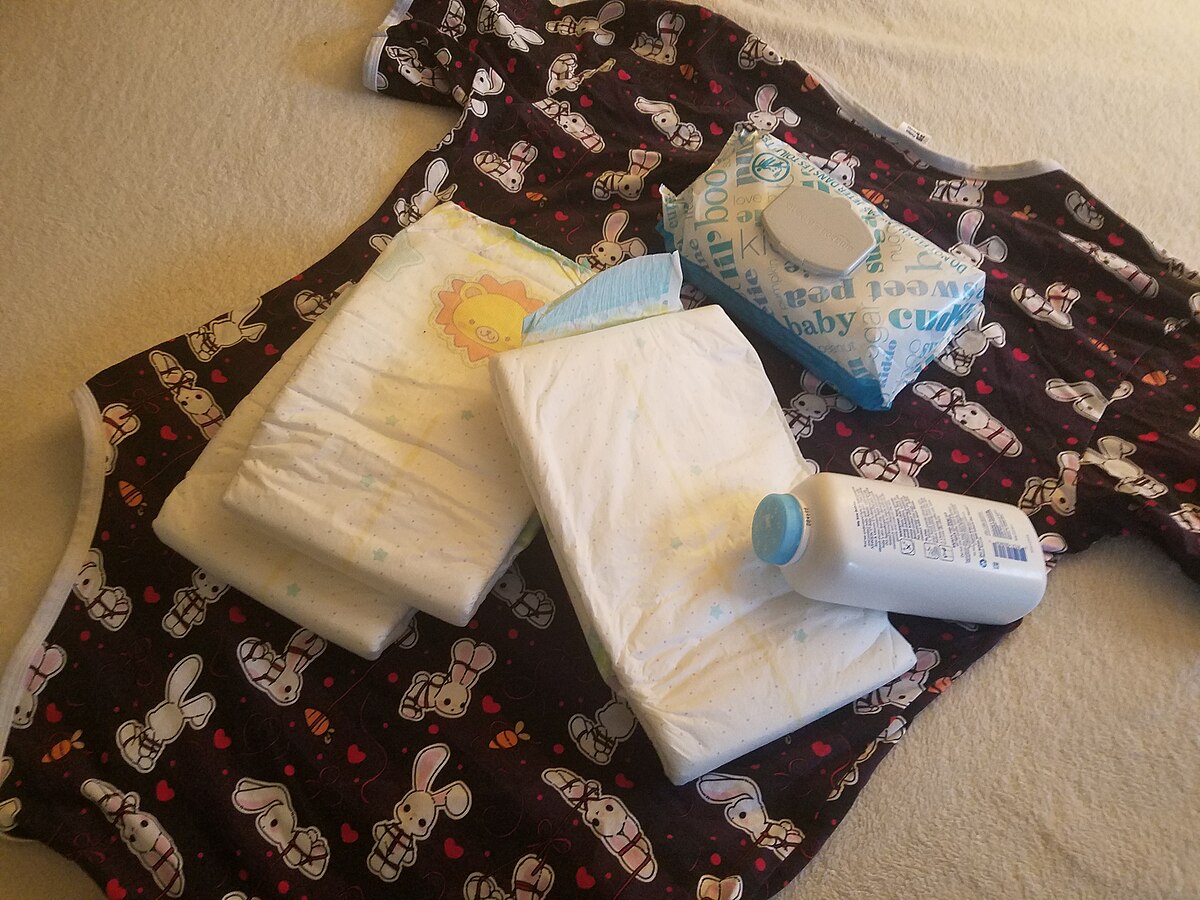
1. The Core Function and Clinical Imperatives of SAP
Superabsorbent Polymers are capable of absorbing and retaining an immense volume of liquid, specifically 30 to 500 times their own weight.2 This high liquid retention is crucial for drawing fluid away from the skin and locking it within the product’s core, thereby keeping the skin surface dry.1 The clinical imperative of this containment mechanism is profound: by dramatically reducing skin wetness, the natural protective balance of the skin is preserved, lowering vulnerability to irritation and safeguarding against harmful bacteria.1 Furthermore, superior fluid containment within the core significantly reduces leakage, which minimizes the opportunity for infections to spread.1
2. Engineering for Optimized Absorption Rate
The functional excellence of SAP does not rely solely on its capacity but also on the speed and efficiency of its absorption. This performance is governed by precise dry mechanical processing.2 Manufacturers meticulously control the particle size distribution of the SAP powder; the most commonly required forms are hard, dry granular powders ranging from 150 to 600 micrometers (μm).2 This narrow particle size range governs crucial performance metrics, including the bulk density, the flowability during manufacturing, and most importantly, the absorption rate when the product is in use.2 Specialized equipment, such as cutter mills and sieving operations, are employed to produce powders that meet these exacting specifications.2
3. Evolution of Core Composition and Thinning Profiles
Over the past decades, research and development efforts have focused intensely on increasing absorption capabilities and fluid retention under pressure while simultaneously reducing production costs and environmental impact.2 Historically, absorbent cores were predominantly composed of cellulose fibers. Modern manufacturing has dramatically altered this ratio, moving from cores where cellulose dominated polymers by a 20:1 ratio to high-performance cores where the ratio is now closer to 1:1.2 This technological evolution has resulted in modern diapers and briefs becoming significantly thinner while delivering superior absorption performance.2
4. The Symbiotic Relationship of SAP and Breathability in Skin Health
The highest performing Diapering Solutions recognize that skin health is managed through two complementary material functions. While SAP technology actively manages the core chemical irritant (liquid waste) by locking it away, a different mechanism is required to manage the physical irritant (heat and moisture vapor).
If fluid is contained but the microenvironment remains hot and humid, the skin risks maceration softening and breakdown due to excess moisture. Therefore, modern product efficacy relies on the synergy between advanced SAP performance and the ability of the outer layers to regulate temperature. This comprehensive, two-pronged approach internal liquid lock combined with external climate control establishes a holistic system for skin protection.
C. The Imperative of Breathability: Protecting the Skin Barrier
The outer layers of high-quality Diapering Solutions incorporate advanced breathable films that maintain comfort and skin health without compromising the leakproof barrier function.3
1. The Mechanism of Air Exchange
Breathable backsheets are engineered using advanced polyethylene resins in the form of microporous films.3 These films are selectively permeable: they are structured to allow gaseous moisture vapor (humidity and heat generated by the body) to escape, supporting skin health and comfort, yet their structure is tight enough to block liquid passage, maintaining reliable barrier protection.3
2. Preventing Diaper Rash and Maceration
The leading cause of diaper rash and skin irritation, particularly in babies, is prolonged exposure to moisture, friction, urine, and feces.4 By facilitating the transfer of moisture vapor away from the skin, breathable materials help regulate the temperature inside the diaper and prevent the buildup of heat and dampness. This keeps the diaper environment cooler and drier, directly preventing irritation and skin breakdown.4
3. Advanced Material Design for Comfort
Technological refinement in backsheet and topsheet materials also focuses on user comfort and discretion. Advanced polyethylene resins allow for the engineering of films that are thinner, more flexible, and feel softer and more fabric-like.3 This softness and discretion are crucial elements in enhancing comfort across all hygiene products, spanning infant, feminine, and adult incontinence care.3 Furthermore, many topsheets utilize soft, breathable materials designed to rapidly wick moisture away from the skin, ensuring the immediate surface contacting the skin remains dry and comfortable.4
II. Specialized Diapering Solutions for Infants and Toddlers
The needs of infants and toddlers evolve rapidly, requiring Diapering Solutions that adapt to developmental milestones from the fragility of newborn skin to the high activity of the mobile toddler.
A. Navigating Infant Diapers: From Newborn Fragility to Early Mobility
The proper function of an infant diaper hinges entirely on the correct fit. A poorly fitting diaper risks leakage, friction, and subsequent skin irritation.
1. The Importance of Weight-Based Sizing
Sizing for infant Diapering Solutions must be based fundamentally on the baby’s weight, not their chronological age.5 Since babies grow at vastly different rates, weight serves as the single most reliable indicator for ensuring maximum comfort and effective leak protection.5 For example, a three-month-old could potentially require a Newborn size, while another may already necessitate a size 2.5 Caregivers should watch for clear signs that a size change is necessary, such as red marks on the skin, frequent leaks, or a diaper that no longer fully covers the baby’s bottom.5
Table: Infant Diaper Sizing Guide (Weight-Based)
| Diaper Size | Weight Range (Approximate lbs) | Primary Focus |
| Newborn (NB) | Under 10 lbs | Umbilical care, highest frequency changes 5 |
| Size 1 | 8 – 14 lbs | Standard containment, rapid growth 5 |
| Size 2 | 10 – 22 lbs | Increasing liquid capacity and comfortable fit 5 |
| Size 3 | 13 – 26 lbs | Intermediate containment, accommodation of crawling 5 |
| Size 4 | 15 – 34 lbs | Active movement, flexible fit, high absorbency 5 |
| Size 5/6+ | 20+ lbs | Toddler stage, maximum capacity and secure fit 5 |
2. Specific Requirements for Newborn and Sensitive Skin
Newborn Diapering Solutions are engineered for frequent changes and prioritize extreme gentleness, often featuring soft fabrics suitable even for premature skin.6 For premature infants, selecting products that consider the fragility of their skin is essential to prevent irritation and diaper dermatitis.8 Specialized diapers designed for sensitive or premature skin incorporate cores that rapidly pull both urine and runny stools away from the skin, complemented by breathable layers that maintain skin dryness.7
3. Wetness Indicators: The Proactive Tool for Skin Health
Wetness indicators are a valuable feature in infant Diapering Solutions, acting as a visual alert system that promotes timely changes.9 These indicators typically react to small volumes of fluid by changing color for instance, transitioning from a light yellow to a blue or green line visible on the outside of the diaper.9
This proactive technology is vital because early detection of a soiled diaper minimizes the contact time between skin irritants and the baby’s delicate bottom, which helps keep the skin clean, dry, and healthy.9 Advanced systems, such as multi-stripe indicators, can provide detection with greater accuracy and speed than single-line indicators.10 For new parents, especially those who are exclusively breastfeeding, early and accurate detection prevents unnecessary worry and helps ensure proper care for the baby’s fragile skin, potentially avoiding delayed hospital discharge.10
4. pH Regulation and Diaper Dermatitis
Skin pH is a crucial factor in managing skin health. When the skin environment becomes too alkaline (higher pH), the protective barrier of the skin is compromised, dramatically increasing susceptibility to diaper dermatitis.8 Using high-quality Diapering Solutions is part of a strategy to create an optimal environment for skin health. The diaper core is designed to manage the irritating impact of urine and feces, which are often alkaline, by rapidly wicking them away from the skin surface.7
B. The Transition to Toddler Diapering Solutions
As infants grow into toddlers, the focus of Diapering Solutions shifts to robust containment, superior flexibility, and accommodating a much larger volume of output. Toddler diapers must be engineered to withstand highly active movements and longer intervals between changes, especially overnight.5 This is achieved through design innovations such as internal channel systems, which are built into the absorbent core. These channels serve to distribute moisture rapidly and uniformly across the entire core, which prevents localized saturation and promotes continuous airflow, maintaining comfort and preventing bunching during mobility.4
C. Essential Skin Care: High-Performance Baby Wet Wipes
Wet wipes are a critical, chemical component of the overall Diapering Solutions system, serving to cleanse and restore the skin barrier. The formulation of these wipes must be specifically aligned with the goals of maintaining a healthy skin environment.
1. The Chemistry of Gentle and Effective Cleansing
High-performance hypoallergenic wipes are fundamentally water-based, providing the gentlest base for cleansing.11 They utilize mild, skin-friendly surfactants, such as coco-glucoside or decyl glucoside, which are effective in cleansing without the harsh action that strips the skin of its essential natural oils.11
2. The Mandate for pH-Balanced Formulas
The formula’s pH balance is perhaps the most critical chemical consideration. Wipes must maintain a pH balance that actively supports the skin’s natural protective barrier.11 Research has demonstrated that utilizing appropriate wipes can effectively help to lower skin pH and reduce redness when compared to using cloth and water alone.7 This capability is essential because the chemical restoration of the skin barrier must immediately follow the physical removal of irritants.
3. Strict Ingredient Exclusion and Safe Preservatives
To minimize the risk of irritation, redness, or allergic reactions in sensitive skin, hypoallergenic formulas strictly avoid common irritants, including artificial fragrances, alcohol, parabens, sulfates, and artificial dyes.11 These chemical agents can compromise the natural balance of the skin.11
A particularly complex area is the use of preservatives, which are necessary to prevent the growth of mold and bacteria in the product.11 High-quality Diapering Solutions utilize gentler, safer preservatives, such as sodium benzoate or potassium sorbate, in minimal amounts.11 Caregivers are advised to avoid wipes containing common, known allergens and irritants like methylisothiazolinone (MI) or phenoxyethanol, which are documented to potentially cause irritation even at low concentration levels.11
4. The Clinical Mandate of Coordinated Diapering Solutions
Optimal outcomes against diaper dermatitis depend on a coordinated system of care. The advanced diaper core performs the crucial function of physical separation and containment of waste, but this must be paired with wipes designed for chemical restoration. A harsh wipe that compromises the skin’s pH balance can negate the benefits of the most absorbent diaper.8 Therefore, for maximum skin health effectiveness, the wipes and the diapers must work synergistically: pH-optimized wipes restore the skin barrier, while advanced absorbent cores immediately maintain the dry, healthy environment.
III. Adult Incontinence Diapering Solutions: Enhancing Dignity and Clinical Care
Managing adult incontinence is a clinical challenge that deeply impacts an individual’s personal dignity and quality of life. Modern adult Diapering Solutions integrate high-level absorption technology with design principles that maximize discretion and autonomy.
A. Comprehensive Adult Incontinence Management: An Overview of Diapering Solutions
The goal of adult incontinence management is to prevent skin breakdown, control odor, and enable the wearer to maintain their usual routine with confidence. Achieving this requires specialized products matched precisely to the user’s dependency and lifestyle.
B. Matching Product to Mobility: Strategic Selection of Absorbent Garments
Selection of the appropriate garment hinges upon the user’s mobility and their ability to participate in the changing process.
1. Tab-Style Briefs (Adult Diapers)
Tab-style briefs, often referred to as adult diapers, feature adjustable side tabs that provide an exceptionally secure fit.13 This design is strategically suited for maximum containment, often utilized for heavy incontinence or overnight use. Critically, these briefs are ideal for individuals with limited mobility or those who are bedridden, as the tab system facilitates efficient and secure changing with caregiver assistance while the user is in a horizontal position.13
2. Protective Underwear (Pull-Ups)
 Protective underwear, commonly known as pull-ups, is designed to resemble and be worn like conventional underwear.13 This category of Diapering Solutions is best for individuals who are mobile, active, and retain enough dexterity to manage their own toileting or changing needs. Pull-ups prioritize discretion and user autonomy, offering strong protection without the bulk typically associated with tab-style briefs.14 They serve as an excellent bridge product for users who find traditional pads insufficient but wish to maintain the feeling of wearing normal undergarments.14
Table: Comparison of Adult Diapering Solutions: Briefs vs. Protective Underwear
| Feature | Absorbent Briefs (with Tabs) | Protective Underwear (Pull-Ups) |
| User Mobility Suitability | Limited mobility, bedridden, maximum dependency 13 | Mobile, active, independent or minimally assisted 14 |
| Change Mechanism | Adjustable side tabs; efficient for caregiver changes in horizontal position 13 | Pull-on/tear-off sides; prioritizes ease of self-use 13 |
| Containment/Capacity | Highest capacity potential, secure anti-leak zones | High capacity, optimized for fit and discretion |
| Focus | Clinical care, maximized protection, caregiver efficiency | Dignity, discretion, user autonomy |
C. Technical Performance and Standardization
The performance claims of adult incontinence products are subject to rigorous testing, although the clinical application of these tests must be understood within context.
1. The ISO Standard for Absorption
The primary international laboratory standard for assessing disposable incontinence products is ISO 11948-1, often referred to as the Rothwell test method.15 This test measures the total absorption capacity of a product in a standardized laboratory environment. The protocol involves weighing the product, removing leak-reducing features like elastics, immersing it face down in a solution of distilled water and sodium chloride for 30 minutes, allowing it to drain for 5 minutes, and then calculating the total absorption capacity by subtracting the dry weight from the wet weight.15
2. Comprehensive Performance Assessment Beyond the Lab
While the ISO test provides a standardized measure of maximum capacity, it does not replicate the dynamic conditions of real-world use, such as how urine is actually passed into the product, or the effects of movement and body pressure.15 Therefore, total absorption capacity determined by the Rothwell test should not be the sole criterion for purchasing decisions.15
A truly reliable assessment of incontinence Diapering Solutions requires a comprehensive evaluation that includes four basic types of testing: laboratory compliance (ISO), biocompatibility testing (dermatological testing on wet and dry products), clinical assessment (in-use evaluations and trials), and usability testing (practical function tests to simulate user experience).16
D. The Critical Role of Odor Control and Dignity
Beyond capacity, the ability of an adult incontinence product to integrate seamlessly into a user’s life determines its success. Incontinence often causes feelings of deep distress, shame, and anxiety, leading to social isolation.17
1. Quality of Life Requires Discretion and Odor Control
The true measure of a successful Diapering Solution is its ability to support the user’s dignity and independence. Modern products incorporate advanced odor-control features to provide a fresher and more discreet experience.19 Many products feature odor-neutralizing pads and super-absorbent cores engineered with odor-lock technology.20 Some incorporate powerful, hypoallergenic triple-action core technologies, such as Whiff-X, specifically designed to eliminate bacteria and lock in liquid, ensuring the user feels confident throughout the day.21
Technological superiority must translate directly into psychological comfort. Health technology advancements are merging smart materials with thoughtful, textile-like designs to create products that are soft, breathable, and move easily with the body.22 This focus on design minimizes bulk and enhances discretion, marking a cultural shift toward treating incontinence management as a part of comprehensive personal care.22
2. Supporting Users and Caregivers
The emotional impact of incontinence extends to caregivers, who may experience psychological and physical exhaustion, financial strain, and social isolation.18 When advanced Diapering Solutions are engineered for extended wear (up to eight hours with high-capacity cores) and minimal leakage, daily changes occur less frequently.22 This provides critical time savings for caregivers, allowing them to shift focus toward other aspects of care rather than continuous product changes.22 Furthermore, open communication about the situation, approached with empathy, can help dispel the stigma associated with incontinence, enabling greater support from friends and family.24
IV. Protecting Skin Health: Managing Incontinence-Associated Dermatitis (IAD)
Incontinence-Associated Dermatitis (IAD) is one of the most common complications encountered in the care of individuals with incontinence and represents a breakdown of the skin barrier that requires vigilant prevention and management. High-performance Diapering Solutions are indispensable tools in this effort, but they must be supported by a rigorous care protocol.
A. IAD in Context: Causes, Symptoms, and Impact
1. Clinical Definition and Symptoms
IAD is fundamentally a form of chemical irritation resulting from prolonged exposure of the skin to urine and/or feces.25 The combination of moisture, friction, and the active enzymes and irritants within the waste leads to skin inflammation and damage.
Symptoms are often distressing for the patient, including pain, burning, itching, and tingling.25 Visually, IAD is characterized by blanchable erythema (redness that temporarily turns white when pressure is applied) and, in more severe cases, a glistening appearance caused by serous exudate (clear fluid). IAD can progress to partial-thickness skin loss, which manifests as erosions, abrasions, superficial ulcerations, or the formation of vesicles (blisters) containing clear fluid.25
2. Assessment Protocol
Clinicians and caregivers must implement a thorough skin assessment protocol. Areas exposed to waste must be visually inspected for signs of IAD, including rashes, excoriation, dry skin, erythema, maceration, and cracking.25 Palpation is also required to detect warmth, which may be an early sign of inflammation (dermatitis), localized infection, or induration indicative of early pressure damage.25
B. Best Practice Principles for IAD Prevention: The Structured 3-Step Approach
Clinical best practices mandate a structured skin care regimen to prevent IAD. This regimen actively complements the use of advanced Diapering Solutions.26
1. Step 1: Gentle Cleansing
Cleansing the skin to remove all traces of urine and feces is the essential first step, as these are the source of the irritants that cause IAD.26 Historically, soap and water were used, but this method is now strongly discouraged in clinical settings. Traditional soaps tend to strip the skin of its natural moisture, aggressively disturb the skin’s critical natural pH balance, and increase the overall risk of irritation and skin breakdown.25 The preferred options for IAD prevention and care are specialized, pH-balanced cleansers designed to gently remove irritants without damaging the skin’s natural barrier.25
2. Step 2: Protection
After thorough, gentle cleansing, the next crucial step is to protect the skin and restore the barrier function.25 This involves applying skin protectants, such as barrier creams or ointments.26 These protectants form a physical barrier between the vulnerable skin and any subsequent exposure to irritants (urine and feces), preventing active enzymes from penetrating the skin and further reducing excess moisture.25 By using these products, caregivers can help prevent further skin breakdown.25
3. Step 3: Vigilant Inspection
The structured regimen is completed with routine, vigilant inspection. Early detection of any signs of skin breakdown such as blisters, oedema, or signs of a fungal or bacterial infection allows for timely intervention and prevents the condition from escalating.25
4. The Shift from Product Choice to Care System Management
Advanced Diapering Solutions, with their superior SAP cores and breathable backsheets, drastically reduce the risk factors for IAD by managing the microenvironment around the skin.1 However, clinical protocols highlight that this advanced technology is a necessary, but not sufficient, condition for complete IAD prevention. Optimal skin outcomes rely equally on the caregiver’s adherence to the 3-step structured routine of cleansing, protection, and inspection.25 Successful IAD management is thus achieved through the integration of superior products within a rigorous clinical care system.
V. Auxiliary Protection: Bedwetting Solutions and Absorbent Underpads
In home care settings, containment extends beyond the personal absorbent garment to the bedding and furniture. Auxiliary protection devices are essential for maintaining hygiene, optimizing sleep quality, and controlling long-term laundry and replacement costs.
A. Bedwetting Protection
Protecting mattresses from moisture, germs, and odors is a core component of managing bedwetting. High-quality mattress protection serves multiple functional and hygienic roles.
1. Types of Mattress Protection
A variety of products are available to protect bedding, ranging in design and absorbency 27:
- Mattress Encasements: These covers provide 360-degree protection, covering all sides of the bed with a zippered closure. They are highly effective against moisture, germs, and dust.27
- Fitted Protectors/Pads: These are applied like a fitted sheet, covering the top surface and corners, securing with elastic. They are easy to put on and remove for washing.27 Waterproof mattress pads often include a thicker top layer that adds a cushioned, absorbent element, requiring extra drying time after machine washing.28
- Economical Covers: Vinyl mattress covers offer a cheaper alternative that effectively protects the mattress from moisture.28
2. Odor and Stain Management
Standard machine washing may not be sufficient to eliminate all traces of urine. For complete hygiene, specialized enzyme-based products, such as Urine-Erase and OdorZyme, are highly effective.28 These cleaners are formulated to tackle urine stains and smells by breaking down the organic components that cause persistent odor.
B. Absorbent Underpads (Chucks): A Comparison of Disposable vs. Reusable Solutions
Absorbent underpads (chucks) are designed to provide a secondary layer of protection beneath the user, capturing localized leaks and protecting bedding, chairs, and wheelchairs. The choice between disposable and reusable underpads involves careful consideration of cost, performance, and environmental impact.
1. Disposable Underpads
Disposable underpads are prized for their convenience and rapid, hassle-free clean-up, making them ideal for travel.29 They generally offer superior absorbency capacity because their core is often constructed with Superabsorbent Polymers (SAP) that soak up moisture and turn it into an absorbent gel, keeping the top sheet dry.29 Their backings are often cloth-like, a premium, breathable material designed to minimize skin damage.29 However, the recurring cost of constantly reordering disposable supplies is high, and they carry a severe environmental burden due to the non-decomposing plastic components that take up to 500 years to break down in landfills.30
2. Reusable/Washable Underpads
Reusable underpads, which are machine washable, represent a smart, cost-effective alternative for long-term care scenarios.30 While they require a higher initial investment, a single reusable pad can function for dozens, even hundreds of washes, leading to significant savings over time compared to the recurring costs of disposables.30
Environmentally, they are inherently superior, supporting sustainability initiatives by reducing the volume of single-use items that contribute to landfill waste.30 For patient comfort, reusable pads often feature soft, quilted tops, which are more comfortable than plastic-backed disposable versions, helping to reduce skin irritation.29 Their core typically consists of quilted fabric or rayon, which is designed to capture liquid and protect furniture, but these materials are generally less absorbent than high-SAP disposable options.29
3. Economic Choice as Environmental Action
For long-term care facilities or family caregivers managing persistent needs, the choice of reusable underpads offers a dual benefit. They are strategically positioned as both an economic relief and a sustainability solution.30 Facilities that have switched to reusable pads report significant cost reductions by eliminating the constant need to reorder disposable supplies.30 By selecting reusable products, consumers commit to ethical consumption that mitigates the high environmental cost of traditional disposable Diapering Solutions.
Table: Trade-Off Analysis: Disposable vs. Reusable Absorbent Underpads
| Attribute | Disposable Underpads | Reusable/Washable Underpads |
| Core Material | Superabsorbent Polymer (SAP) and pulp 29 | Quilted fabric, rayon 29 |
| Long-Term Cost | High recurring expense 30 | Significant long-term savings 30 |
| Environmental Impact | High waste volume; components take up to 500 years to decompose 31 | Low waste; machine washable; sustainable choice 30 |
| Primary Use Focus | Maximum fluid lock (clinical priority) 29 | Comfort and bedding protection (economic/comfort priority) 30 |
VI. The Future and Ethics of Diapering Solutions
Innovation in the absorbent hygiene sector is rapidly transforming Diapering Solutions from passive absorbent products into active, digitally integrated health management tools, while simultaneously addressing pressing environmental concerns.
A. The Rise of Smart Diapering: Technology in Care Management
The integration of smart technology promises to revolutionize care, particularly for sedentary patients or those with cognitive impairments, by providing real-time data and actionable alerts.32
1. Real-Time Data and Predictive Clinical Care
 Smart diaper sensors, such as the MONIT system, utilize highly sensitive capacitive sensing technology combined with Bluetooth Low Energy (BLE) to detect moisture with remarkable precision (as low as 0.1 mL) and latency of less than five seconds.32 These sensors synchronize information through a digital application, sending instant notifications to multiple caregivers simultaneously.32
This immediate feedback loop is invaluable for proactive clinical care. By alerting staff or family members when wetness is detected, prompt intervention is possible, which has been clinically demonstrated to effectively manage the severity of Incontinence-Associated Dermatitis (IAD) and prevent complications.32 Furthermore, high-performance physical products, like briefs engineered with Maximum Absorbency Garments (MAGs), are necessary to distribute moisture evenly, maintaining optimal dryness zones that enhance the precision and consistency of the sensor data.33 This dual-layered approach offers holistic protection and can potentially aid in the early detection of conditions such as Urinary Tract Infections (UTIs).33
2. Innovation in Materials and Discretion
The future trajectory of Diapering Solutions is marked by superior comfort, discretion, and extended wear time. Advanced materials, sometimes inspired by technologies initially developed for demanding environments such as NASA space missions, are being used to create layered cores that evenly distribute liquid and hold it securely without leaving a damp surface.22 This innovation allows users to remain dry and comfortable for significantly longer periods, sometimes nearly eight hours, reducing the need for constant changes.22
Looking ahead, industry analysts are exploring even more transformative solutions, including antimicrobial fabrics designed to actively promote skin health, self-adjusting fits that respond dynamically to user movement, and hybrid wearable devices that merge convenience with continuous health monitoring.19 These developments are driven by a commitment to make incontinence products more adaptable, personalized, and discreet.19
B. Prioritizing Sustainability in Modern Diapering Solutions
The environmental cost of disposable hygiene products is a significant ethical concern. Disposable containment products contribute substantially to household waste, and because components like the absorbent gels and petroleum-derived plastics do not readily biodegrade in airless landfill environments, they take up to 500 years to decompose.31 During this slow process, methane a powerful greenhouse gas is released into the air, contributing to global warming.31
1. The Sustainability Challenge: Cloth vs. Disposables
While the environmental burden of disposables is clear, the sustainable alternative is complex. Reusable cloth diapers, typically made from materials like cotton, hemp, or bamboo, reduce waste significantly and are free from the synthetic gels and chemicals found in traditional diapers.35 However, reusable options shift the environmental cost to water consumption, energy required for hot washing and drying, and the significant environmental impact associated with growing cotton, which is chemically dependent, requiring large amounts of agricultural chemicals and insecticides.34
2. The Solution: Hybridization and Bio-Innovation
The most practical path to sustainable Diapering Solutions involves hybrid models and bio-innovation. Hybrid systems combine cloth elements with industrially compostable pads, offering flexibility for different lifestyles.36 Newer products are being developed using plant-based materials that can be processed in industrial composting facilities, significantly reducing the landfill impact of waste.36 For families, the long-term cost savings associated with reusable options potentially $1,300 to $1,900 over three years compared to disposables make them a compelling financial choice, further justifying the initial investment.37
VII. Conclusion: Choosing the Right Diapering Solutions for Every Need
The modern market for Diapering Solutions offers complex, technically advanced products tailored to meet the exacting needs of both infants and adults. These are not merely commodities but crucial healthcare aids that directly influence skin integrity, personal dignity, and overall quality of life.
For infant care, the primary directive is precise, weight-based sizing to ensure optimal fit and leak protection, paired with a sophisticated skin care routine utilizing pH-balanced, hypoallergenic wet wipes. Success in preventing diaper dermatitis is achieved through the integration of the diaper’s superior SAP technology (containment) and breathable structure (climate control) with the chemical restoration provided by gentle cleansing products.
In the realm of adult care, the strategic selection of Diapering Solutions matching pull-ups to mobility and briefs to dependency is paramount for maintaining autonomy and clinical efficiency. Performance is verified through comprehensive testing, which combines standardized ISO capacity measurements with essential clinical and usability trials. Crucially, the newest generations of adult products incorporate powerful odor-lock technologies and discreet, fabric-like materials, recognizing that the ability to restore dignity and confidence is as vital as the physical absorption capacity.
The future of Diapering Solutions is defined by the convergence of material science and digital technology, offering smart sensors that enable proactive, data-driven care management. Whether choosing sustainable reusable pads to mitigate environmental impact or adopting cutting-edge smart diapers to enhance clinical monitoring, the commitment remains to provide Diapering Solutions that maximize comfort, security, and well-being for all users and their dedicated caregivers. The effective management of incontinence, whether pediatric or adult, relies on utilizing these high-performance Diapering Solutions as part of a holistic, structured, and empathetic system of care. You can always visit our shop here, also you can always contact us here for more information.


