
Mobility Assistance: Restore Your Independence and Confidence
December 10, 2025 2025-12-10 9:43Mobility Assistance: Restore Your Independence and Confidence
Mobility Assistance & Rehabilitation Equipment

The ability to move freely and independently is fundamental to a person’s quality of life, dignity, and overall well-being. Whether recovering from an injury, managing a chronic condition, or adapting to the natural changes of aging, having the right mobility assistance and rehabilitation equipment can make a profound difference. At Turquoise Medical, our dedicated Homecare & Rehabilitation Solutions division is committed to providing top-quality equipment that supports active lifestyles and helps individuals regain their independence. Our belief, a core tenet since our founding, is that “when good care leads, good health follows,” and that empowering you with the tools to live a more mobile life is a key part of that vision. This page is a comprehensive guide to the various types of mobility assistance and rehabilitation equipment available, designed to help you understand your options and find the perfect solutions to support your unique needs.
Wheelchairs & Transport Chairs
For individuals with limited or no ability to walk, wheelchairs and transport chairs are essential devices that provide freedom of movement and access to the world around them. The right chair can make the difference between being confined to a room and being able to navigate daily life, from running errands to enjoying time with family and friends. The technology behind these devices has advanced significantly, offering a range of options from lightweight manual chairs to sophisticated electric models with advanced features. The choice of a chair depends on the user’s specific needs, including their level of mobility, physical strength, and the environments they will be navigating.
Electric Wheelchairs
Electric wheelchairs, also known as power wheelchairs, are an ideal solution for individuals who lack the upper body strength or stamina to propel a manual chair. These chairs are operated by a joystick or other control interface and are powered by rechargeable batteries. They provide a high degree of independence, allowing users to navigate indoor and outdoor spaces, including inclines and uneven terrain, with minimal physical effort. Electric wheelchairs are typically more robust and feature-rich than their manual counterparts. Some models offer advanced features like tilt-in-space, reclining seats, and elevating leg rests, which can improve comfort, reduce the risk of pressure sores, and accommodate a user’s specific medical needs. While they are a significant investment, the increased mobility assistance and freedom they provide can be life-changing.
Manual Wheelchairs
Manual wheelchairs are a versatile and cost-effective mobility solution for a wide range of users. These chairs are propelled by the user’s own arm strength, or they can be pushed by a caregiver. They are generally lighter, more compact, and easier to transport than electric models, making them an excellent choice for individuals who have the physical capability to propel themselves or who have a caregiver readily available. Manual wheelchairs come in various styles, including lightweight models for easy portability, standard chairs for general use, and ultra-lightweight chairs for highly active users. They are also highly customizable, with a wide selection of accessories and components such as different wheel types, armrests, and seat cushions to ensure a perfect fit and maximum comfort.
Walking Aids
For individuals who require support to maintain their balance and stability while walking, a variety of walking aids are available to reduce the risk of falls and increase confidence. These devices range from simple canes to advanced rollators, each designed to provide a specific level of support based on the user’s needs. The use of a walking aid can help an individual maintain their independence and continue to participate in daily activities that they might otherwise have to give up.
Walkers
Walkers are a staple of rehabilitation and home care, providing a stable, four-legged support base that helps users maintain their balance. They are particularly beneficial for individuals recovering from surgery, an injury, or those who have general weakness and require a high degree of stability. Standard walkers are lifted and moved forward with each step, while two-wheeled walkers have wheels on the front legs, allowing for a more fluid walking motion. Walkers with no wheels offer maximum stability, while those with wheels are better for individuals who need to move at a slightly faster pace but still require significant support.
Rollators
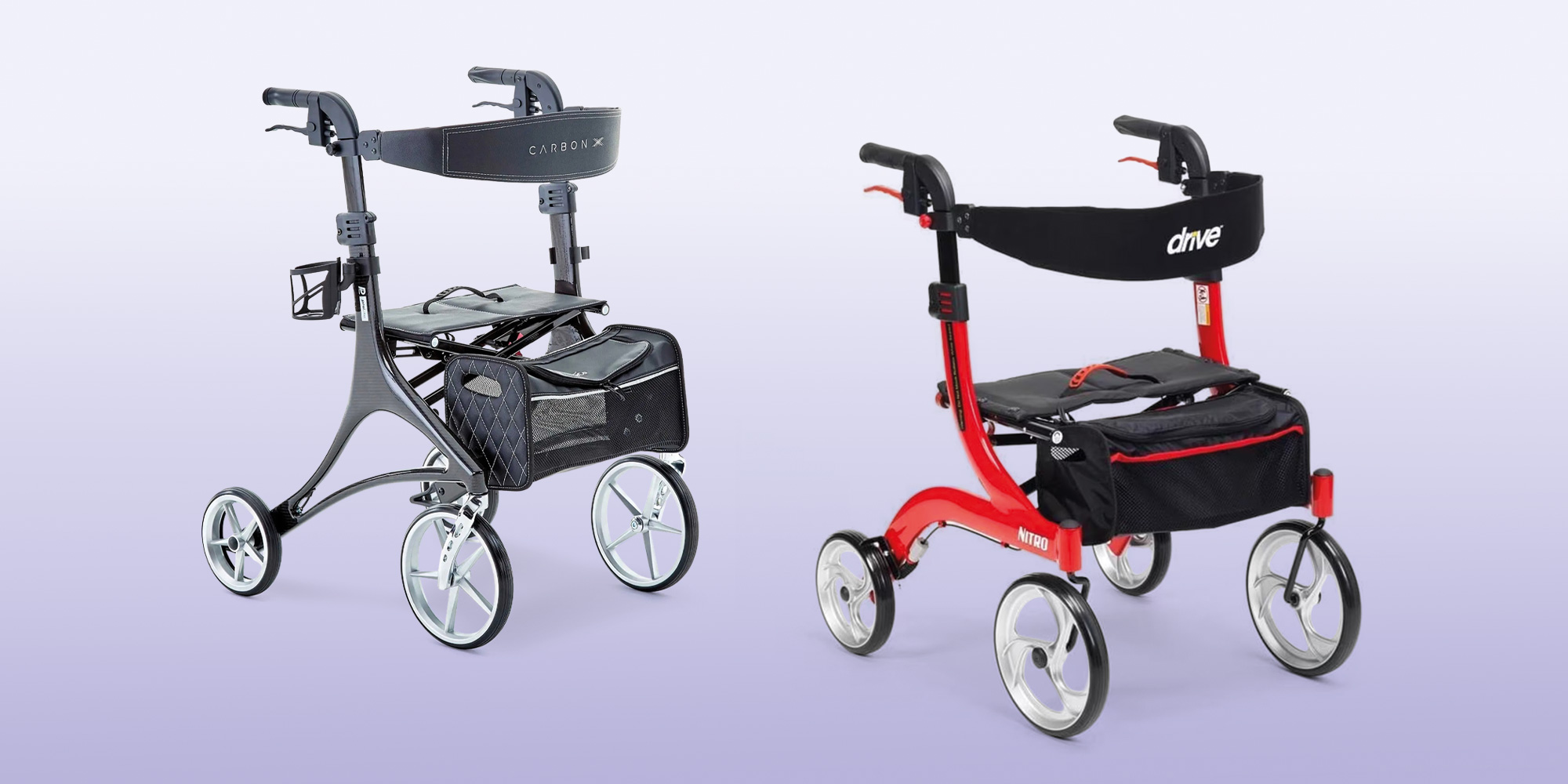
A rollator is a wheeled walker that is designed for individuals who need balance support but can handle a faster pace. Rollators typically have three or four wheels and are equipped with handbrakes, a seat, and a storage basket. The wheels make it easier to navigate over different surfaces, and the handbrakes allow the user to stop safely. The built-in seat is a key feature, providing a convenient place to rest when needed, which is particularly useful for individuals with limited stamina. The storage basket is a practical addition for carrying personal items, groceries, or other belongings. Rollators are an excellent choice for users who are more mobile but still need a reliable aid to prevent falls and provide a sense of security.
Canes
A cane is the simplest and most common type of walking aid, providing minimal support for balance and stability. They are ideal for individuals who only need a small amount of assistance to feel more secure while walking. Canes come in various forms, including single-point canes and quad canes with a four-pronged base for greater stability. They are lightweight, easy to use, and highly portable. While a cane does not bear as much weight as a walker or rollator, it can significantly improve an individual’s gait and confidence.
Crutches
Crutches are a temporary mobility assistance used for individuals with a foot or leg injury that prevents them from bearing weight on one side. Crutches come in two main types: underarm crutches and forearm crutches. Underarm crutches are the most common type and are used for short-term injuries, while forearm crutches are often used for long-term support for individuals with certain disabilities. Crutches require significant upper body strength and coordination to use correctly, but they are a highly effective solution for non-weight-bearing injuries, allowing the user to remain mobile while their injury heals.
Orthopedic Support & Prosthetics
Orthopedic support and prosthetic devices are vital for helping individuals manage injuries, correct deformities, and restore function to a limb or joint. These specialized devices are designed to provide support, stability, and alignment, enabling users to heal properly and participate in daily activities. Whether it is a simple brace or a complex artificial limb, the goal is to improve quality of life by restoring mobility and confidence.
Braces
An orthopedic brace is an external device designed to support a part of the body, such as a knee, ankle, or back. Braces are used for a variety of purposes, including injury prevention, rehabilitation after surgery, and managing chronic conditions like arthritis. They work by providing compression, stability, and support to the joint or limb, which can help to reduce pain, prevent further injury, and facilitate proper alignment during the healing process. Braces range from simple elastic supports to more rigid, hinged braces that offer maximum stability.
Supports
Orthopedic supports are similar to braces but are generally less rigid and are designed to provide compression and mild support for minor injuries or chronic pain. Common examples include ankle supports, wrist wraps, and elbow sleeves. These supports are often made from breathable, elastic materials and are designed to be worn comfortably for extended periods. They can help reduce swelling, improve blood flow, and provide a sense of security to a weakened joint or muscle.
Artificial Limbs
Prosthetics, or artificial limbs, are highly advanced medical devices that replace a missing limb, restoring a user’s ability to walk, grasp objects, and live a more independent life. Modern prosthetics are custom-designed and fit to a user’s unique body, and they incorporate advanced materials and technology to replicate the function of a natural limb. They range from basic, functional devices to highly sophisticated microprocessor-controlled limbs that can adapt to a user’s gait and provide a high degree of precision and control. A prosthetic is a life-changing device that requires expert fitting and ongoing support to ensure optimal function and comfort.
Your Partner in Mobility & Independence
Since 2006, Turquoise Medical has been a trusted partner in providing comprehensive medical equipment and services, with a clear focus on pioneering technology and excellent customer service. Our extensive portfolio of mobility assistance and rehabilitation equipment is a testament to our commitment to improving the quality of life for our clients. We understand that every individual’s journey is unique, and our expert team is dedicated to helping you find the perfect tools to meet your specific needs. Our mission is to “contribute moments of optimism and happiness” by ensuring you have the support and freedom you need to live life on your own terms. We invite you to explore our comprehensive range of products and discover the peace of mind that comes with reliable, high-quality equipment. For more options or a personalized consultation, please contact our expert team.
Contact us for more options and a personalized consultation.


