
Medical equipment procurement: 7 Proven Success Strategies
January 14, 2026 2026-01-21 7:30 admin
admin 
Medical equipment procurement: 7 Proven Success Strategies
Best Medical equipment procurement for hospitals and homes: A Strategic Guide
In the rapidly evolving world of modern medicine, the success of a healthcare institution is no longer solely dependent on the skill of its surgeons or the dedication of its nursing staff. Today, the clinical outcome of every patient is inextricably linked to the quality, reliability, and technological sophistication of the tools at the clinician’s disposal. Consequently, Medical equipment procurement has shifted from a back-office administrative task to a critical component of high-level clinical strategy.
For modern hospitals and home care providers, the challenge is not just “buying equipment”—it is about ensuring that every piece of technology fits perfectly within the broader framework of Clinical infrastructure solutions. At Turquoise medical, we recognize that effective procurement is the cornerstone of patient safety and operational efficiency. This guide explores the best practices in Medical equipment procurement for both institutional environments and the growing “hospital-at-home” market.
The Pillars of Modern Hospital Project Management
At the institutional level, the acquisition of technology cannot happen in a vacuum. It must be a central part of Hospital Project Management. Whether a facility is undergoing a minor renovation or a massive greenfield expansion, the timeline for equipment selection must align perfectly with the construction and engineering schedules.
The Role of Healthcare Facility Development
During the early stages of Healthcare facility development, planners must look five to ten years into the future. Because medical technology moves faster than the pace of construction, a “future-proof” Medical equipment procurement strategy is essential. This involves selecting platforms that are modular, upgradeable, and compatible with emerging digital standards.
When Hospital Project Management is executed correctly, it bridges the gap between the architects designing the building and the clinicians who will eventually work within its walls. Turquoise medical serves as the vital link in this process, ensuring that the physical space and the technology within it are perfectly synchronized.
Strategic Sourcing: The Medical Equipment Procurement Strategy
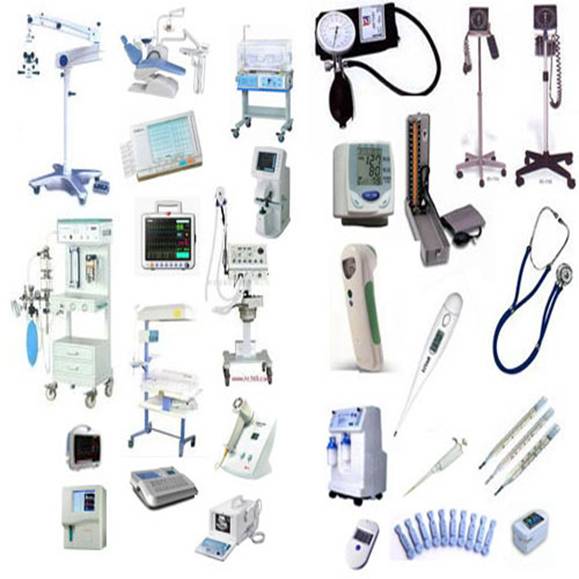
A successful Medical equipment procurement strategy goes beyond looking for the lowest price. It involves a “Total Cost of Ownership” (TCO) analysis, which considers the initial purchase price, the cost of consumables, energy consumption, maintenance, and the eventual decommissioning of the asset.
The Power of a Single-Source Medical Supplier
One of the most effective strategies for reducing complexity and cost is partnering with a Single-source medical supplier. When a hospital manages dozens of different vendors, the risk of compatibility issues and logistical delays increases exponentially. By utilizing a single-source approach, a facility can ensure that their patient monitors talk to their central stations, and their surgical lights fit the mounts in their operating rooms.
Turquoise medical excels in this role, providing a curated portfolio of products that are pre-vetted for interoperability. This streamlined approach minimizes administrative overhead and allows procurement officers to focus on clinical value rather than managing vendor disputes.
Advanced Planning: Clinical Infrastructure Solutions
The term Clinical infrastructure solutions refers to the “invisible” systems that allow a hospital to function—the medical gas lines, the data networks, and the power backups. These must be considered at the very beginning of Hospital construction planning.
Modular Operating Room Planning
One of the most complex areas of procurement is the surgical suite. Modular Operating Room planning has revolutionized how these high-stakes environments are built. Instead of traditional “brick and mortar” construction, modular rooms use prefabricated wall panels, integrated ceiling grids, and pre-installed utility connections.
The benefits of modularity include:
- Speed: Construction time is reduced by up to 40%.
- Flexibility: Future upgrades to imaging or robotic systems can be performed with minimal disruption.
- Infection Control: Antimicrobial surfaces and seamless joins are easier to maintain.
Procuring equipment for these environments requires a deep understanding of Hospital technology integration. The monitors, lights, and anesthesia machines must be integrated into a central control system that allows the surgical team to manage the environment with a single interface.
Technical Excellence: Biomedical Engineering Installation
The moment the equipment arrives at the loading dock is only the midpoint of the procurement journey. The next critical phase is Biomedical engineering installation. If a high-precision imaging machine or a complex ventilator is not installed according to strict manufacturer protocols, its clinical accuracy and lifespan are compromised.
Hospital Equipment Commissioning
Following installation, Hospital equipment commissioning is mandatory. This is a formal process where every device is tested against its “as-designed” specifications. Commissioning ensures that:
- The equipment is safe for patient use (electrical safety testing).
- The software is properly configured and secured against cyber threats.
- The staff are fully trained on its operation.
At Turquoise medical, we emphasize that Medical equipment procurement is incomplete until the device is fully commissioned and integrated into the hospital’s workflow. This technical rigor is what separates elite facilities from the rest.
Designing for Success: Medical Facility Design and Build

The most successful hospitals are those where the technology drives the design, not the other way around. This concept, known as Medical facility design and build, focuses on optimizing the patient and staff experience through physical layout.
Hospital Technology Integration
Modern Hospital technology integration allows for a “connected” facility. Imagine a scenario where a patient’s vital signs are automatically updated in their electronic health record (EHR), and a significant change triggers an alert on the attending nurse’s handheld device. To achieve this, the procurement team must select equipment that supports HL7 or DICOM standards.
This level of integration requires a partnership between IT, clinical engineering, and the procurement department. By viewing Medical equipment procurement as a technological integration project rather than a shopping list, hospitals can significantly reduce clinical errors and improve response times.
Financial and Risk Management in Large-Scale Projects
Large-scale healthcare projects involve significant capital outlay. Understanding the nuances of Healthcare capital projects financing is vital for the long-term sustainability of the institution.
Healthcare Capital Projects Financing
Procurement teams must decide between outright purchase, leasing, or “managed equipment services” (MES) models. In an MES model, the hospital pays a monthly fee, and the distributor—such as Turquoise medical—takes responsibility for the entire lifecycle, including maintenance and technology refreshes. This model is increasingly popular because it transforms unpredictable capital expenditure (CAPEX) into stable operating expenditure (OPEX).
Medical Construction Risk Mitigation
Every construction project in a healthcare environment carries risk—from dust contamination (Aspergillus) to the accidental disruption of oxygen lines. Medical construction risk mitigation involves meticulous planning to ensure that patient care is never compromised by the construction or installation process. Elite procurement partners provide specialized project managers who oversee the “Last Mile” of delivery and installation, ensuring that contractors and clinical staff are working in harmony.
Extending the Strategy to Home Care
While much of the focus is on large institutions, Medical equipment procurement for the home is equally important. As the population ages, the demand for “Hospital at Home” models is skyrocketing.
Procuring for the home requires a different set of criteria:
- Usability: Can a non-professional caregiver operate the device safely?
- Size: Does the equipment fit in a standard residential bedroom?
- Connectivity: Can the device transmit data back to the hospital via a home Wi-Fi network?
Turquoise medical applies the same rigorous standards of Clinical infrastructure solutions to home care devices. Whether it is a hospital bed for a home patient or a portable ventilator, we ensure the equipment meets institutional standards of reliability while remaining user-friendly for the home environment.
The Turquoise Medical Difference: A Partnership in Excellence
Why do hospitals and clinics trust Turquoise medical as their Single-source medical supplier? The answer lies in our holistic approach. We don’t just sell boxes; we provide the expertise required for successful Medical equipment procurement.
Our team of experts supports you through:
- Initial Consultation: Aligning your clinical needs with your Healthcare facility development
- Procurement Strategy: Developing a roadmap that balances budget constraints with clinical excellence.
- Project Oversight: Managing the Biomedical engineering installation and Hospital equipment commissioning to ensure a flawless launch.
- Ongoing Support: Providing the maintenance and training that keep your facility running at peak performance.
By integrating Hospital Project Management with deep technical knowledge, we help our clients navigate the complexities of Hospital construction planning and Hospital technology integration with confidence.
Conclusion: Reimagining the Procurement Lifecycle
In conclusion, the “best” Medical equipment procurement is not defined by the brand of the machine, but by the strategy behind its acquisition. By viewing procurement through the lens of Clinical infrastructure solutions and Medical facility design and build, healthcare leaders can create environments that are safer for patients and more efficient for staff.
The transition to a sophisticated, integrated hospital requires a partner who understands the high stakes of Medical construction risk mitigation and the intricacies of Modular Operating Room planning. As you embark on your next expansion or equipment refresh, remember that Turquoise medical is here to ensure that your technology is your greatest asset, not a logistical burden.
Securing the future of patient care begins with a smart, evidence-based approach to procurement. Let us help you build a clinical infrastructure that stands the test of time, supported by the best technology and the most reliable strategic support in the industry. Contact us for more information.


